Functional depression, often described as high-functioning depression or ‘smiling depression’, does what it says on the tin. It includes all of the traditional features of depression, but whilst still, seemingly getting everything done. Whilst you might not find the term ‘functional depression’ in diagnostic manuals, it doesn’t mean it’s not a problem. The masking aspect means it can be incredibly difficult for those around the person to spot. Following a suicidal act or attempt to end one’s life, people might often say “But I didn’t know they were struggling…. They always seemed fine…” and therein lies the problem. This article will help you to understand what the subtle signs of functional depression are and to understand when support is needed.
Functional Depression: When You’re Coping on the Outside but Struggling Inside
 Written by Dr. Marianne Trent
 Reviewed by Dr. Amy Reichelt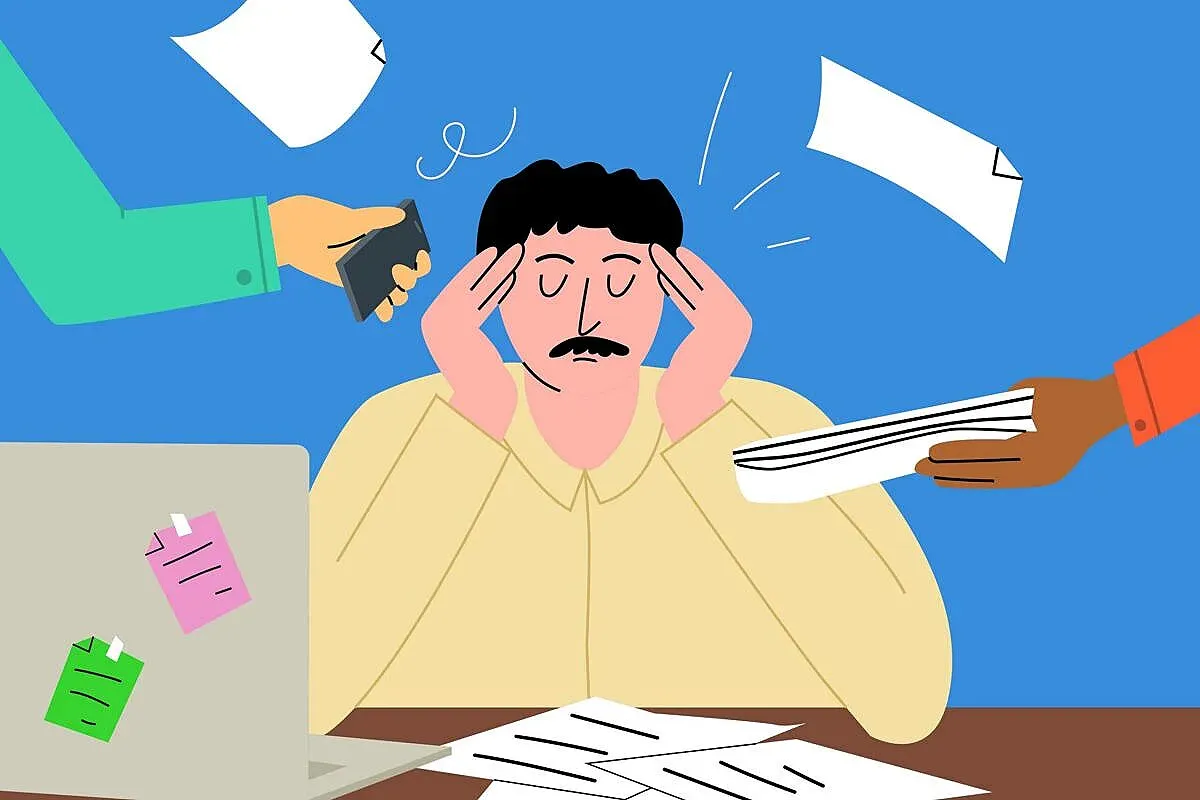
Take a quick self-assessment to better understand what you're experiencing.
Take the depression screenerWhat Is Functional Depression?
Depression can often be broken down into 4 key areas of impact spanning Well-being, Problems, Functioning and Risk. When it comes to functional depression it is entirely possible to be so good at getting stuff done and masking ones suffering that the functional aspects are still very good whilst all of the other areas being of significant concern.
Whilst there are of course some symptom overlaps with major depressive disorder, when it comes to functional depression typically activities of daily living like bathing, showering, cleaning, getting to work on time and getting work tasks done can be unaffected. This is also different to conditions such as Persistent Depressive Disorder (PDD), or dysthymia, which is a long standing lowering of mood, self-esteem and hopelessness lasting 2 years+ in adults and 1year+ for children and young people, but doesn’t meet the threshold for major depressive disorder.
Functional depression is a descriptive term, not a diagnostic one, therefore you won’t find it in the DSM-V or ICD-11 but it doesn’t mean that it isn’t a serious concern and it deserves to be understood and supported better.
So? What exactly is functional depression? Well, in a nutshell these are the features which are commonly present:
What can functional depression look like?
This helps us to be aware of the high-functioning depression signs:
What might appear to be going well | What may be distressing or going less well |
Going regularly to work or education | Feeling emotionally numb, flat, or empty |
Meeting deadlines and appearing “on top of things” | Persistent low mood or sadness that doesn’t lift |
Looking put together and well groomed | Exhaustion that isn’t relieved by rest |
Socialising, replying to messages, showing up | Feeling disconnected from others or from yourself |
Caring for others and meeting responsibilities | Feeling overwhelmed, hopeless, or quietly stuck |
Exercising and eating healthily | Loss of enjoyment or motivation |
Being seen as capable, reliable, or successful | Harsh self-criticism and feeling “not good enough” |
Generally functioning from day to day | Feeling like you’re just getting through the day rather than living |
It is important to remember that functional depression is a chronic condition in that it can last months and sometimes even years. People may also be unaware they’re experiencing depressive symptoms because they are still getting things done.
Why Functional Depression Is Often Missed
Functional depression can often go under the radar even for the sufferer themselves. We often think that depression looks like sitting around in dirty clothes, with unwashed hair, only eating junk food and sleeping in late. But there is another narrative and it’s one of masking or hiding suffering behind being as productive, or more so, than a person was before they became depressed. When I’m working clinically with someone with high problem numbers, lowered well-being, issues of risk but optimal functioning I will often observe with them:
“Despite all of your suffering, you seem to have high levels of functioning, but at what cost? What does it take for you, or from you, to be able to still maintain all of this?”
Because of course when we are happy and well we experience drive and motivation. But in depression, including functional depression, our motivation is usually diminished which can make everything feel like trudging uphill through treacle.
In therapy when it comes to functional depression we will also often discuss that they are the epitome of that duck or swan on the millpond — from a distance they look serene and calm but beneath the water it is chaos, messy and not pretty.
The facade of outward serenity and productivity can throw people off the scent of depression. We must also bear in mind that productivity is valued and so is often socially reinforced, often with rewards like bonuses at work.
Functional depression may be inadvertently invalidated, for example not seeing a person’s distress and instead saying: “You’re doing great, though!” Speaking of invalidation we can also be our own worst enemy too, trying to shame or deride ourselves with the old mantra that “Others have it worse!” and with the idea that “If you can work, you’re not depressed.” In my capacity as a qualified clinical psychologist I would like to formally bust that myth: it is perfectly possible to have a job AND be depressed, the two are NOT mutually exclusive!
Key Symptoms of Functional Depression
To further paint our picture let’s break the high-functioning depression symptoms1 down into a few other areas:
Emotional & Cognitive Symptoms
- Persistent low mood or emotional flatness
- Loss of pleasure or muted joy (anhedonia)
- Negative self-talk, guilt, or chronic self-criticism
- Difficulty concentrating or making decisions
Physical & Energy-Related Symptoms
- Ongoing fatigue despite adequate sleep
- Changes in sleep patterns (oversleeping or insomnia)
- Appetite changes without dramatic weight shifts
- Psychosomatic symptoms (headaches, stomach discomfort, muscle tension)
Behavioural & Social Signs
- Maintaining routines but feeling disengaged
- Irritability or emotional numbness
- Socialising out of obligation rather than desire
- Overworking or perfectionism as a coping mechanism
It’s important to note that when it comes to functional depression, individual symptoms can be milder than with major depression but when all gathered together collectively these symptoms can be persistent and serious.
What Functional Depression Can Look Like in Daily Life
Let me introduce you to a couple of example case studies for people struggling with functional depression. This can help you to be watchful and aware of the signs of high-functioning depression.
George
George is a married father of two who works in finance and commutes 90 minutes each way. He is the highest performer in his team and regularly receives bonuses. To those around him, he appears capable, reliable, and successful.
Privately, George describes feeling as though he puts on a “George mask” at work and at home. Inside, he feels flat, emotionally drained, and constantly tired. Evenings are particularly hard. He struggles to switch off and often relies on alcohol to try to quiet his mind and get some sleep. Without this, he lies awake, restless and exhausted.
Gabriela
Gabriela is single and works as a content creator. She has a large following, strong engagement, and regular brand collaborations. People often comment on what a delight it is to work with her especially because she is so well organised.
Privately, Gabriela feels like a fraud, as though she is constantly trying to prove that she is “okay.” She spends a lot of time managing how she and her home appear to others, carefully curating an image that suggests everything is under control. She struggles to switch off, pushes herself through tasks out of obligation rather than enjoyment, and notices that the work she once found exciting now feels strangely flat and unfulfilling.
Risks of Ignoring Functional Depression
Ignoring functional depression carries important risks, including the possibility that a person’s ability to function may eventually decline, as well as an increased likelihood of experiencing:
- Major depressive episodes
- Burnout and anxiety disorders
- Physical health complications
There are also of course emotional costs associated with the long-term masking / suppression of a functional depression, including emotional numbness, exhaustion, disconnection from self or others, and a growing sense of “just getting through” rather than living.
I think it’s also important to note that when we continue to “battle on” that we invalidate our own needs even when experiencing persistent distress. When we do this, our friends, colleagues and children learn from our actions and the cycle can continue to perpetuate.
When Functional Depression May Signal the Need for Help
There are some key indicators which can indicate when it’s time to seek support2 for functional depression. These include:
- Risk: If you’re having thoughts that life is not worth living, that you’d be better off dead or if you are having thoughts of wanting to harm yourself or others
- Longevity: If symptoms have lasted 2 years or more
- Your symptoms are worsening
For further information on when to consider accessing psychiatry click here. In the UK if required there will be a variety of medication options which can be discussed these might well include selective serotonin reuptake inhibitors3 (SSRIs). There are also more modern types of antidepressant such as vortioxetine (brand name in UK Brintellix) which is a multimodal serotonin modulator and stimulator. While the NHS does not routinely prescribe ketamine for depression, this has attracted some research attention and some psychiatrists will prescribe it via a method called ‘off label’ treatment.
Please remember that having high levels of functioning is not the same as having high levels of well-being. You don’t deserve to suffer and there aren’t any medals available for it. There’s absolutely no shame in accessing treatment and in fact if I could I’d recommend everyone have at least one period of therapy in their life. That said, don’t be dissuaded if you’ve not had lasting results from therapy, a good therapeutic rapport4 with your therapist is a key element to making positive changes. So, don’t be afraid to reach out to someone new. You can also access treatment when you’re still coping — you don’t need to have hit rock bottom.
Treatment and Support Options
When it comes to accessing treatment to tackle any functional depression there are lots of options which include:
Evidence-based approaches such as:
- Compassion Focused Therapy (CFT). This can be a life-changing approach for helping reduce self-criticism and to understand why you’ve been affected in the way you have.
- Eye Movement Desensitisation & Reprocessing Therapy (EMDR). I often think of EMDR as being a bit like dry cleaning for the mind. It can be a way of working through your difficulties and working through any distress or trauma which have contributed to the way you feel.
- Where there isn’t an underlying history of childhood or complex trauma and where the difficulties don’t include a risk element, then Cognitive Behavioural Therapy (CBT) can be effective for depression.
Medication
Treatment with antidepressants can be discussed with you by your GP, nurse prescriber or psychiatrist. There are great risks inherent with self-prescribing. Please only take genuine medication which has been clinically prescribed for you.
If someone is very low and struggling to engage with treatment then medication can help stabilise symptoms enough to make therapy effective. However, when risk is low and a person feels able to engage, therapy alone or as a first step might be recommended. Therapy helps people build lasting skills and coping strategies, so recovery feels like something they have actively worked towards, not something which “just happened” because of medication. The power of individualised care means that treatment plans for functional depression vary across individuals.
Many workplaces allow you to access mental health treatment appointments in company time. If required, your manager or Human Resources team may also be able to support you to make accommodations to working patterns, so don’t be afraid to ask for support.
Self-Management Strategies That Can Support Recovery
As well as more formal treatment approaches such as those listed above there’s also so many things you can do to support your own well-being.
- Sleep hygiene: Poor sleep and depression are closely linked6. If I could prescribe one thing for the world it would be better quality sleep. Reducing caffeine and alcohol consumption as well as trying to tweak bed and wake times to regularly give you 6-9 hours of sleep in a 24 hour cycle can be transformational for mood.
- Physical activity has been shown to have an excellent impact on improving mood regulation7. Consider trying out things you might not have done before or those you may not have done for a while such as swimming, walking, a high energy group exercise class or strength training.
- There is also an emerging evidence base that walk and talk therapy and activities such as attending local men’s shed or men’s talk groups such as Andy’s Man clubs can be really helpful.
- Reducing self-criticism and perfectionism by increasing self-compassion can be incredibly powerful. You could try listening to an audiobook such as “The Compassionate Mind” by Professor Paul Gilbert.
- Journaling can be a way to process emotions8, or simply using your diary or apps to track mood patterns can help reflect on underlying reasons for poor mood.
- Our physical health can impact our mental health. Try to eat a balanced diet with plenty of fibre, protein, fruits and vegetables. Sometimes asking your GP or nurse practitioner to run blood tests can be helpful as things like low iron levels can lead to low mood and decreased energy levels.
- Please bear in mind that whilst self-care complements treatment approaches it does not replace professional care, especially where risk to yourself or others is present.
Functional Depression vs “Just Feeling Low”
So, how do you tell if you’re “just feeling low” or if you have functional depression symptoms?
Firstly I would always recommend that you discuss the way you’re feeling with someone you trust. It can also be incredibly helpful to go and chat with your GP or qualified mental health provider such as a psychologist or psychiatrist.
As humans we are capable of weathering short-term stress and distress, but chronic stress has detrimental effects on our health9 and well-being.
“Just Feeling Low” / Temporary Stress | Possible Functional Depression |
Feelings are usually linked to a specific situation or stressor | Low mood is more persistent and often present even when things appear to be going well |
Mood tends to lift with rest, reassurance, or a positive change | Mood rarely lifts fully, even during achievements, holidays, or “good news” |
You can still enjoy things, even if motivation is lower | Reduced pleasure or interest in things you used to enjoy (anhedonia) |
You still feel like yourself underneath the stress | You may feel flat, numb, or disconnected from who you used to be |
Distress comes and goes | Distress feels ongoing and part of everyday life |
You can switch off and relax at times | Switching off feels difficult or impossible |
Energy and motivation usually return | You keep going, but it feels effortful and draining |
Emotions feel proportionate to what’s happening | Emotions feel muted, blunted, or stuck |
Others often notice when you’re struggling | Others may see you as “coping well” or “high-functioning” |
You feel able to ask for support | You may minimise your struggles or feel you don’t “deserve” help |
I can’t emphasise enough that life is supposed to be enjoyable, you’re allowed to experience joy and have a good quality of life. Sometimes we can be more likely to invalidate our own suffering and it can therefore be really helpful to access professional assessment over self-diagnosis.
Functional depression is real, valid and treatable. There may not always be obvious signs you have high-functioning depression. You may need to really look at what masking behaviours you’re using which could be making it hiding depression in plain sight.
Please do take your symptoms or those of someone you care about seriously. Support and recovery are possible, and speaking as an experienced clinical psychologist you might actually enjoy it and wish you’d done it sooner!
Related reading




Frequently asked questions
Functional, or high-functioning, depression describes those individuals who maintain daily responsibilities while experiencing persistent depression symptoms including low mood, fatigue, and emotional flatness. Unlike major depressive disorder, external functioning remains intact, making detection difficult — outwardly these people can be seen to be thriving, while inside they feel like they are barely surviving. This article effectively highlights the hidden nature of such struggles, the burden of masking emotions and emphasizes that productivity doesn't negate suffering.
Sources
- Judith F Joseph, Ümit Tural, Nick Joseph, Teresa E Mendoza, Eshna Patel, Rachel Reifer, Margot Deregnaucourt 2025 Understanding High-Functioning Depression in Adults Cureus Cureus Summary & key facts
- Where to get urgent help for mental health nhs.uk
- Selective serotonin reuptake inhibitors (SSRIs) Mayo Clinic
- Dorothy Stubbe 2018 The Therapeutic Alliance: The Fundamental Element of Psychotherapy FOCUS The Journal of Lifelong Learning in Psychiatry FOCUS The Journal of Lifelong Learning in Psychiatry Summary & key facts
- Cognitive behavioural therapy (CBT) nhs.uk
- Eman M Alanazi, Abeer Mohammed M Alanazi, Asmaa Hamed Albuhairy, Alshaymaa Akram A Alanazi 2023 Sleep Hygiene Practices and Its Impact on Mental Health and Functional Performance Among Adults in Tabuk City: A Cross-Sectional Study Cureus Cureus Summa
- Md Najmul Hossain, Jaeeun Lee, Hongseok Choi, Yi‐Sub Kwak, Jong-Nam Kim 2024 The impact of exercise on depression: how moving makes your brain and body feel better Physical Activity and Nutrition Physical Activity and Nutrition Summary & key facts
- Prosenjit Ghosh, Ranjan Bhattacharya 2025 Mood Journaling: A New Year’s Journey to Track Emotions Indian Journal of Private Psychiatry Indian Journal of Private Psychiatry Summary & key facts
- Adelinda Candeias, Edgar Galindo, Konrad Reschke, Mariola Bidzan, Marcus Stueck 2024 Editorial: The interplay of stress, health, and well-being: unraveling the psychological and physiological processes Frontiers in Psychology Frontiers in Psychology
About the author
Dr. Marianne Trent
Clinical Psychologist, Host of Aspiring Psychologist Podcast
This article is for informational purposes only and is not a substitute for professional medical advice, diagnosis, or treatment.