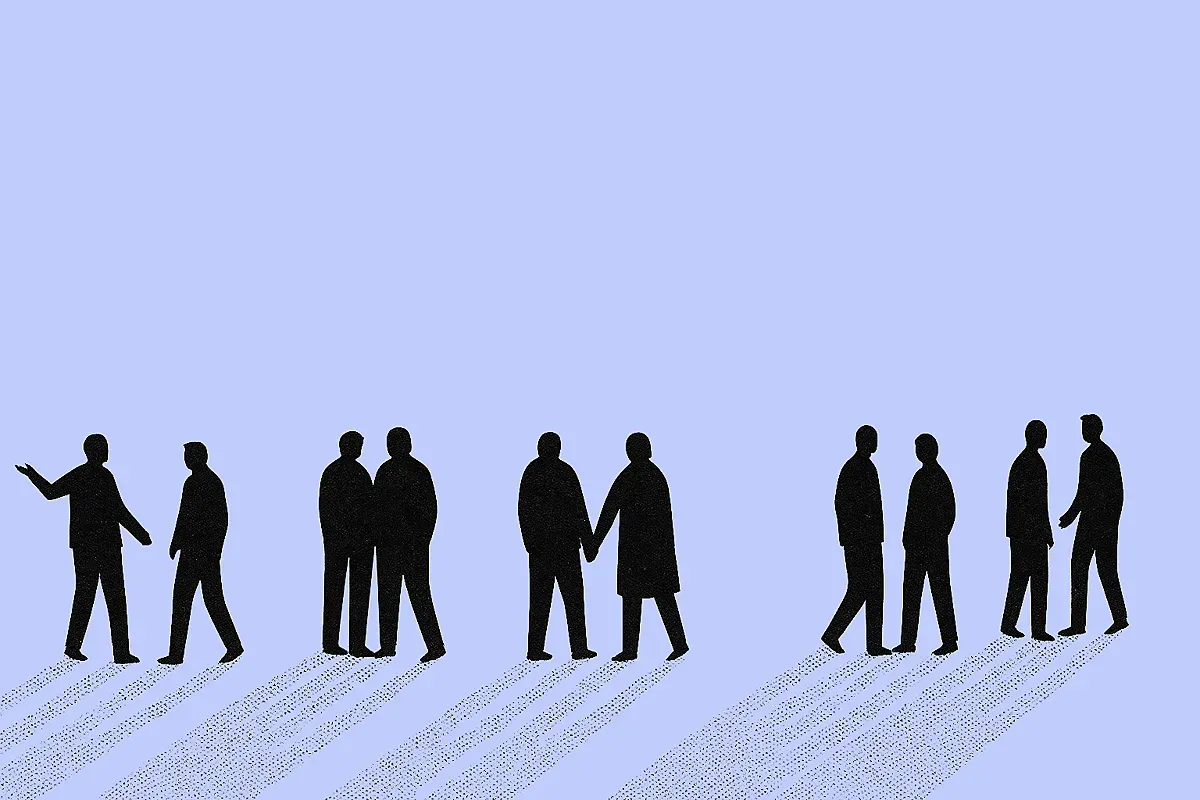
Walk-and-talk therapy is gaining momentum as a new format for therapy sessions. This type of therapy combines the benefits1 of movement and exposure to nature with the emotional processing of talk therapy.
Physical activity can help regulate the nervous system and boost feel-good2chemicals in the brain. Exposure to nature and green spaces can encourage mindfulness and a sense of grounding in the present moment, and support mental health. Walking next to a therapist can also be a less confrontational3 interaction than traditional face-to-face therapy in an office.
Walk-and-talk therapy can increase creativity, helping many people push past emotional barriers and harness the mind-body connection to improve mental health. This article will explore what walk-and-talk therapy is, how it works, its benefits, its risks, and how to get started.
What Is Walk-and-talk Therapy?
Walk-and-talk therapy is a type of psychotherapy that involves the client and therapist walking together in nature. Instead of sitting across from a therapist in an office, the client walks beside them.
Walk-and-talk therapy is different from conventional treatment in several ways. First, side-by-side positioning, rather than face-to-face with the therapist, may be more comfortable4for some people because it involves less eye contact, making the therapy session a little less confrontational.
Second, movement has been shown to improve mood as well as engage brain regions5 involved in emotional control. This broader engagement can aid emotional regulation and may strengthen awareness of bodily sensations and internal states, supporting the mind–body connection.
Finally, walk-and-talk therapy provides6 many of the added benefits of being outdoors in nature, which can be grounding and restorative.
Walk-and-talk therapy is known by several other names:
- outdoor therapy session
- psychotherapy outdoors
- counseling outside the office.
Walking therapy falls under a broader category of:
- movement-based therapy
- eco-therapy interventions
- nature-based therapy
Some types of therapy are better suited to walk-and-talk therapy than others:
- Cognitive behavioural therapy works well in an outdoor setting because therapists can use the environment to help clients change destructive thought patterns.
- Somatic therapy uses the body to help process emotion, and walking is a perfect way to help clients connect with their bodies7.
- Mindfulness-based therapy uses nature and the environment to enhance sensation8 and promote awareness of the present moment.
- Trauma-focused therapy approaches that use somatic principles are more helpful when combined9 with walking.
How Walk-and-talk Therapy Works in Practice
A typical Walk-and-talk therapy session lasts about 50 to 60 minutes10, but takes place along a predetermined walking route, as opposed to an office. The sessions usually proceeds11 through the following structure:
- An opening check-in: The therapist checks with the patient prior to walking. They discuss any immediate concerns or goals for the session.
- Movement phase: Most of the session is spent walking side-by-side at a comfortable pace. The therapist can tailor the pace, topic, and form of therapy according to the clients’ needs and energy level. The therapist may use the environment for sensory grounding or mindfulness exercises.
- Pauses for deeper work: Occasionally the therapist and client may sit or stand in at a certain location to work on particularly emotional and difficult thought processes.
- Grounding or cool-down reflection: The client and therapist return to the starting point and review any insights from the session.
Walk-and-talk therapy can be performed in several different environments:
- Urban parks
- Beaches
- Forest trails (greenspace)
- Quiet neighbourhoods
- Lakeside paths (bluespace)
- Botanical gardens
- University campuses
- Green spaces
This type of therapy has several variations12 which can be used to tailor the experience to the client’s needs:
- Slow, mindful walking is helpful as a stress reduction technique
- Steady pacing helps with emotional processing and has a calming effect
- Pauses for difficult emotions and processing
Walk-and-talk therapy can also be adapted for clients with disabilities and mobility challenges. The therapist can use a flat path, adjust the distance, or take more breaks throughout the session.
Benefits of Walk-and-talk Therapy
Walk-and-talk therapy has several physical, emotional, and mental benefits because it combines exercise with emotional processing.
Mental and Cognitive Benefits
Improved clarity, focus, and problem-solving: Walking can support creative thinking and produces significant improvements in cognitive function more than sitting. This can make thought processes more flexible, allowing the client to see problems in a new light. This may be because exercise increases13 the production of brain-derived neurotrophic factor, which is a brain chemical that improves mental health.
Reduces rumination and cognitive overload: People with depression often experience rumination, or the inability to stop thinking or worrying about something that is bothering them. Walking in nature can reduce rumination14 and support mood-boosting neurotransmitters.
Emotional regulation: Walking improves the brain’s ability to process emotions, and the side-by-side positioning creates11 psychological safety.
Emotional and Psychological Benefits
Stress reduction: Walking and other forms of exercise can reduce symptoms of depression and anxiety15compared with inactive controls (participants of the studies who didn’t engage in exercise), and may be a helpful adjunct to psychotherapy for stress and mood.
Emotional expression: Some people find face-to-face therapy confrontational (such as people with neurodivergence), and the side-by-side positioning of walking helps16 them express their emotions and reduces defensiveness.
Physical Health Benefits
Endorphin release: Endorphins are the natural “feel good” chemicals in the brain. Even gentle exercise17can release endorphins, resulting in an improved mood.
Reduced tension: Prolonged sitting can make muscles tighter, and is increasingly recognized18 as a health risk. Movement can activate the autonomic nervous system, and the body’s relaxation response.
Nature-Based Healing Effects
Calming effect of green space (or forest therapy): Several studies show the benefits of nature and green areas on mental health. For example, one study found19 that for every 10% increase in green space, the risk of depression and anxiety decreased significantly.
Sensory grounding: The sounds of nature, such as wind, birds, or waves can have positive effects on the nervous system. The sights and smells in nature provide sensory experiences that increase20 mindfulness, or awareness of the present moment. People with depression often ruminate about the past, and people with anxiety often are afraid of the future, so grounding in the present moment using the senses is helpful.
Who Walk-and-talk Therapy Is Best For
Walk-and-talk therapy is helpful for those who want alternative therapy methods and would reap the benefits of added physical activity and nature exposure. It may be especially helpful for:
- Anxiety and depression: Physical activity has added benefits21 for the treatment of depression and anxiety due to the release of endorphins and beneficial neurotransmitters.
- Difficulty with eye contact: People who find face-to-face therapy or eye contact confrontational (adolescents or those with neurodivergence)
- Emotional dysregulation: People who feel emotionally “stuck,” or have difficulty regulating their emotions, often respond well to self-regulation techniques involving exercise.
- Attention-deficit disorder and others who respond best when movement is incorporated into the treatment plan.
Some people have physical limitations that would preclude this type of therapy, such as:
- Older adults
- Mobility challenges
- Chronic pain
- Cardiac or pulmonary disease
- Difficulty tolerating temperature changes or weather changes
Potential Challenges, Risks, and Considerations
Therapy in an open and sometimes uncontrollable environment can pose several challenges, and the therapist must consider the client’s individual needs.
Confidentiality
When therapy is performed outdoors in areas such as parks or trails, the space is often shared with others who might overhear the conversation. Confidentiality in outdoor therapy cannot be guaranteed, but therapists can help to maintain the clients’ confidentiality in several ways:
- Choosing trails or areas that are quiet
- Performing therapy at times when the area is less populated
- Pausing the conversation to allow others to pass
- Allowing the client to lead if an acquaintance approach
- Using a code word or phrase to change topics.
Weather and Seasonal Challenges
Sometimes the weather doesn’t cooperate during a therapy session, requiring some creativity on the part of the therapist. Factors such as extreme heat, rain, snow, storms, daylight shifts, and allergens can limit outdoor therapy. Therapists can have telehealth or in-office sessions available when it would be uncomfortable for the client to have therapy outdoors.
Physical Demands and Accessibility
Sometimes the environment can be difficult for clients to navigate or fatigue limits physical activity. Uneven terrain, propensity for falls, mobility challenges, and energy levels can impact the feasibility of Walk-and-talk therapy. Other risks include insect bites, traffic or tripping accidents, sun exposure, and wild animals requiring informed consent from the client.
Ethical and Legal Issues
Several barriers may make outdoor therapy unobtainable or inappropriate for clients. Walk-and-talk therapy ethics include:
- Clear client-therapist professional boundaries: It may feel like a walk with a friend, but the relationship must remain professional and follow ethical principles.
- Documentation and risk management: The therapist cannot document during the session, requiring them to spend extra time. Several risks become a consideration during an outdoor session, and emergency procedures should be in place.
- Licensure considerations: Therapists must maintain their professional licensure and ensure that their licensing body is accepting of Walk-and-talk therapy.
- Insurance coverage: Some insurers may not cover or recognize this type of therapy, so it is important to obtain prior authorization.
Safety Planning
Therapists should have a safety plan in place for remote or nature-based sessions. Environmental emergencies such as fire, flood, or severe storms could impact treatment, and the therapist should have a plan to ensure safety.
Client-specific considerations that require safety planning include fall or injury, difficulty tolerating the distance from the treatment center, and privacy limits. Many therapists use a Walk-and-talk consent form (or an outdoor counseling consent) to inform clients of the risks and benefits of this type of therapy.
Healing Doesn’t Have to Happen Indoors
Walk-and-talk therapy has several physical, emotional, and mental benefits that work together for improved results in therapy. It can also support emotional processing, mindfulness, and stress reduction through the connection between the mind and body. This type of therapy is growing in popularity because it is evidence-based and a valid method for amplifying the effects of therapy and helping clients achieve their goals.
However, it isn’t for everyone, and risks such as weather, mobility issues, and environmental dangers can impact the treatment plan, requiring alternative options and individualized care. If you are curious about Walk-and-talk sessions, ask your therapist if they would be an option and try 1 or 2 sessions to see if you feel more emotionally regulated. Grab your water, walking shoes, and sunscreen, and reap the benefits nature has to offer.
This article is for informational purposes only and is not a substitute for professional medical advice, diagnosis, or treatment.